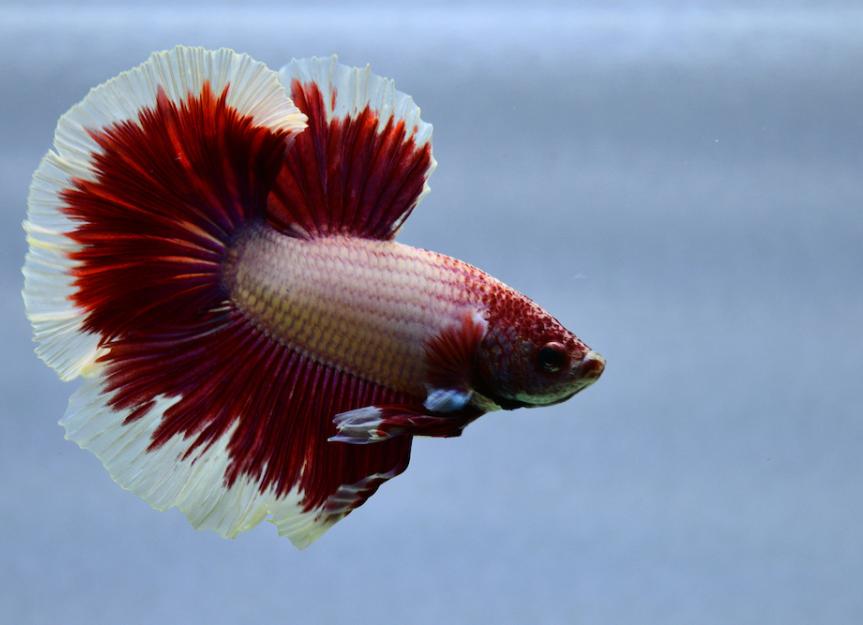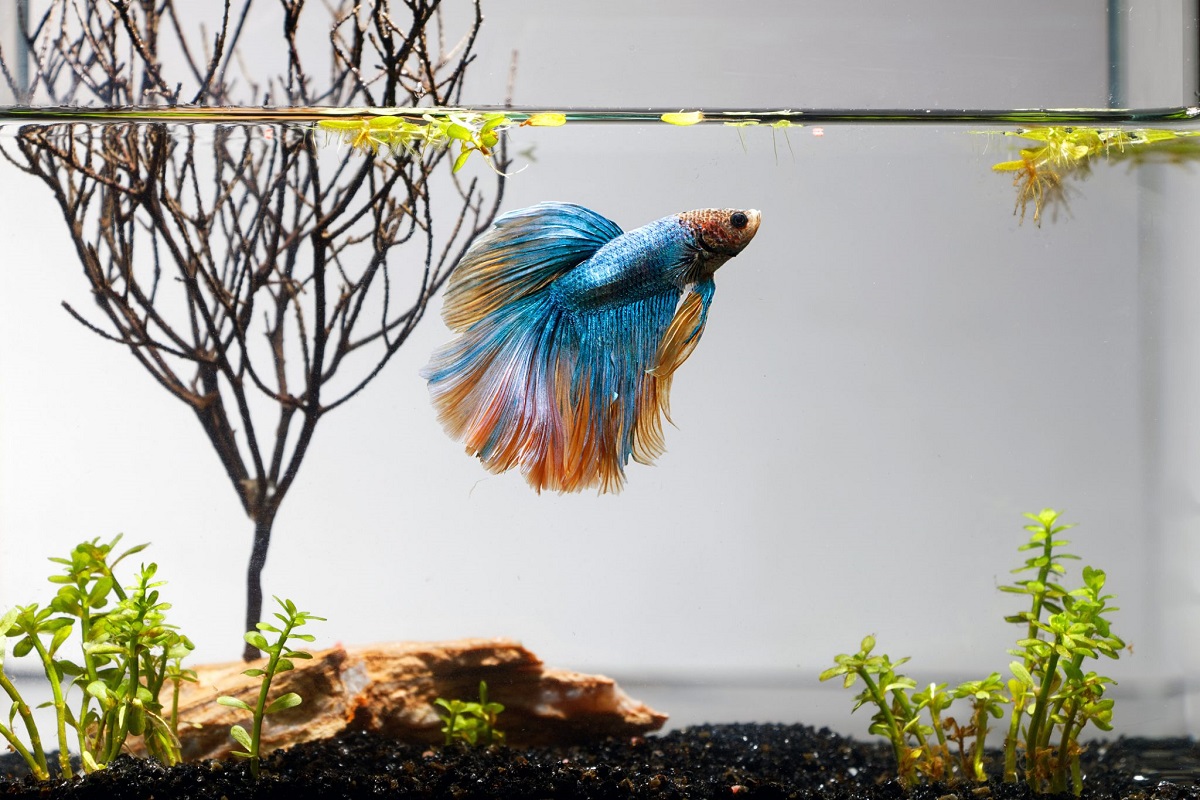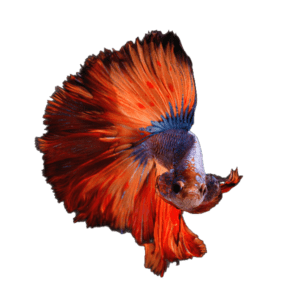

The native and wild betta fish habitat includes densely vegetated rice paddies, floodplains, and still-watered canals in areas like Thailand and Cambodia. These locations experience periods of prolonged drought. The betta can survive in small volumes of low-oxygenated water (even puddles) while attempting to jump to larger bodies of water.
The betta is a labyrinth fishwhich allows it to breathe atmospheric air at the water’s surface, as well as underwater through its gills. This unique ability helps the betta survive these droughts – in water that contains very little oxygen. This ability has also created rampant myths about their care.
Betta fish need to get air from the water and at the water’s surface. You should never fill a habitat to its maximum volume, and always use a cover to prevent them from jumping out of their habitat.
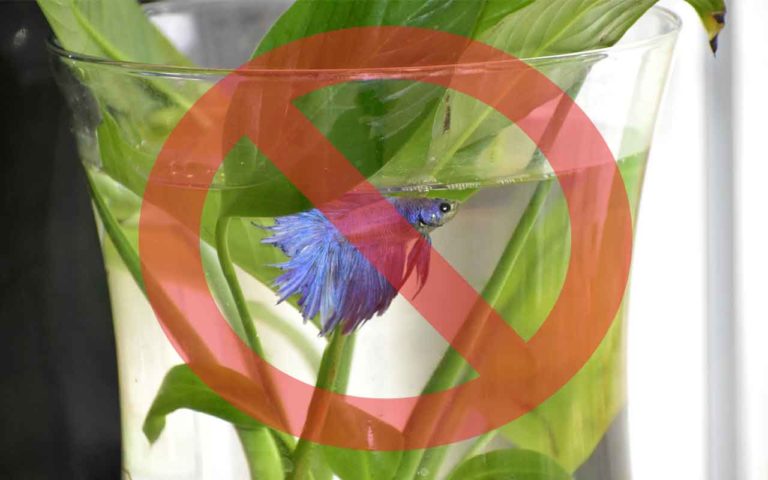
Can Betta Fish Live In A Fishbowl?
Yes, technically a betta fish can live in a fishbowl so long as it’s at least 2.5 gallons. Fishbowls are also ideal as temporary housing for cleanings or quarantine.
Bowls do, however, make it hard to add necessary equipment and plants for a betta fish. Bowls also do not normally come with a cover – creating an additional problem. Betta fish are great jumpers and may leap right out of an uncovered fishbowl.
Larger tanks are better for maintenance and the health of your betta. Betta fish tanks should be a minimum size of 2.5 gallons with the recommended size being 5 gallons for permanent housing.
Small habitats, like a fishbowl or vase, can lead to a lot of problems. Oxygen in the water is quickly depleted and the water’s temperature will be very hard to maintain. Cold water leads to a lethargic and stressed betta. Water quality is also a major concern in small habitats and will become toxic much faster. These conditions can quickly create health issues.
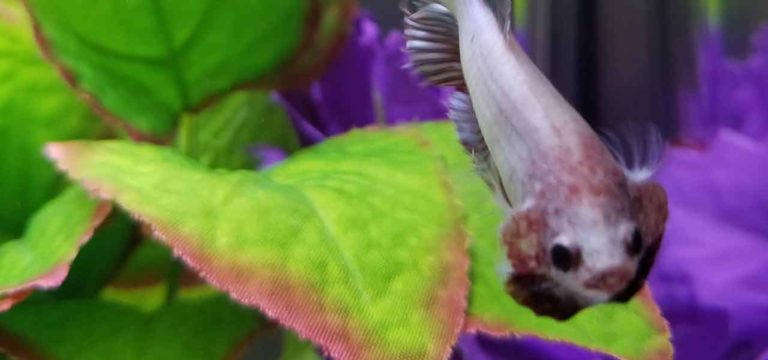
Food breaks down and betta fish produce waste, creating ammonia – which is harmful to your fish. The betta fish in the photo above is suffering from fin rot. You don’t want your betta swimming around in dirty poop water!
Bettas cannot sustain a healthy life by living in a vase and feeding off the roots of a plant either. This lack of education by owners leads to what PETA calls“being sentenced to a dull, lonely, and slow death from starvation.” Bettas are carnivores and require protein, fiber, and other nutrients in their diet.
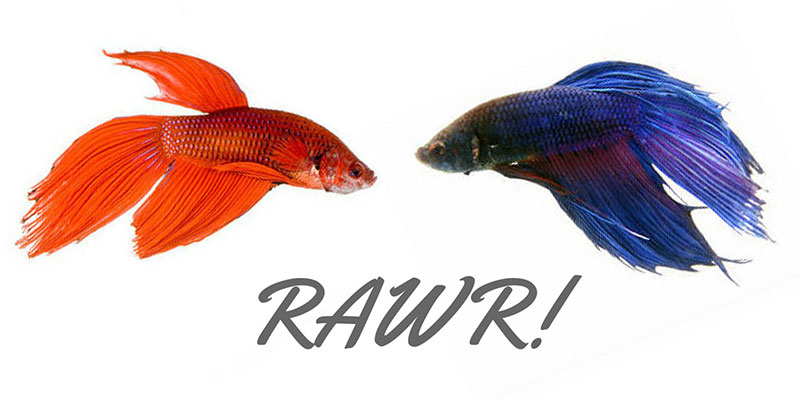
Why Are They Called Fighting Fish?
In the mid to late 1800’s the King of Thailand took an interest in the betta after native workers were observed collecting them in rice paddies. These locals began breeding them specifically for fighting. The King became so engrossed in the sport of betta fish fighting that he later sanctioned regular events and kept his betta victors in his quarters.
Locals in Thailand began referring to the betta as Pla Kad, or “fighting fish” because of their territorial aggression. That genetic aggression still largely exists today and has not been bred out.
Many species of fish are known for traveling in packs, called shoaling or schoolingbut not the betta. Betta fish prefer to be independent both in captivity and in the wild.
In the wild, the betta has more room to be independent and can retreat safely if they encounter another betta. In close quarters, like a fish tank, this can lead to extreme aggression and territorial matches. These altercations can produce a lot of stress and potential damage or death.
Common Behaviors
Betta fish do a lot of quirky things that may leave a beginner scratching their head in confusion. Below are some common behaviors a beginner might experience when they bring their betta fish home.
Flaring
Betta fish flare their operculum, or gill cover, in an act of intimidation. It makes the betta look larger and more threatening to potential predators or other betta fish. Your betta may also do this if you approach their tank or territory quickly. If you want to see this behavior in action, try using a small mirror so he or she can see their reflection.
Bubble Nest Building
Males instinctually build bubble nests to attract a female for breeding. This can happen whether there is a female present or not. If your betta is making a bubble nest, it’s a sign they are healthy. A male will care for and protect the eggs in the bubble nest after mating.
Spitting Out Food
Bettas can be picky eaters if they don’t like what you’re serving. They show their dissatisfaction by spitting their food back out. If this happens, you’ll need to find another high-quality food source. Refusal to eat may also mean they’re full, but this is less common.
Never overfeed your betta as it can lead to a lot of health problems. Feed 2-3 pellets, 1-2 times per day. For perspective, their stomachs are roughly the size of their eye. Visit the betta fish food and feeding page for more information.
Fin Clamping
Clamping is one of the major signs of stress or illness. This is commonly related to abrupt changes in water quality or temperature. Your bettas fins will be tucked close to their body instead of fanned out. If you think your betta is sick, visit the betta illness and diseases page to help diagnose and treat a variety of common illnesses.