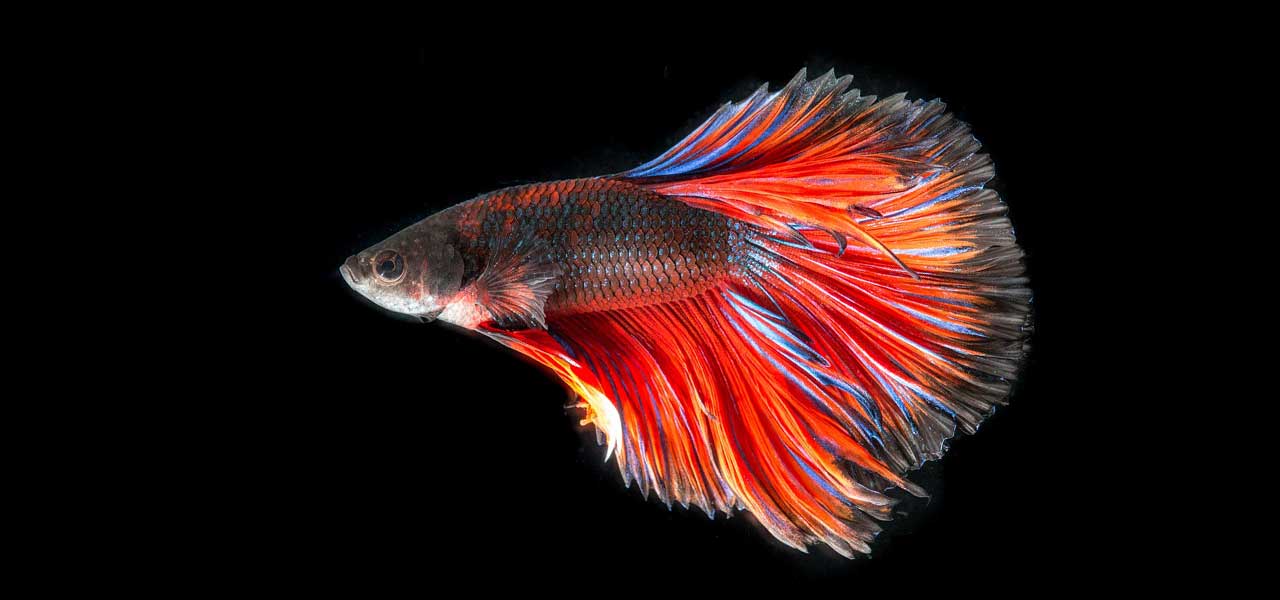
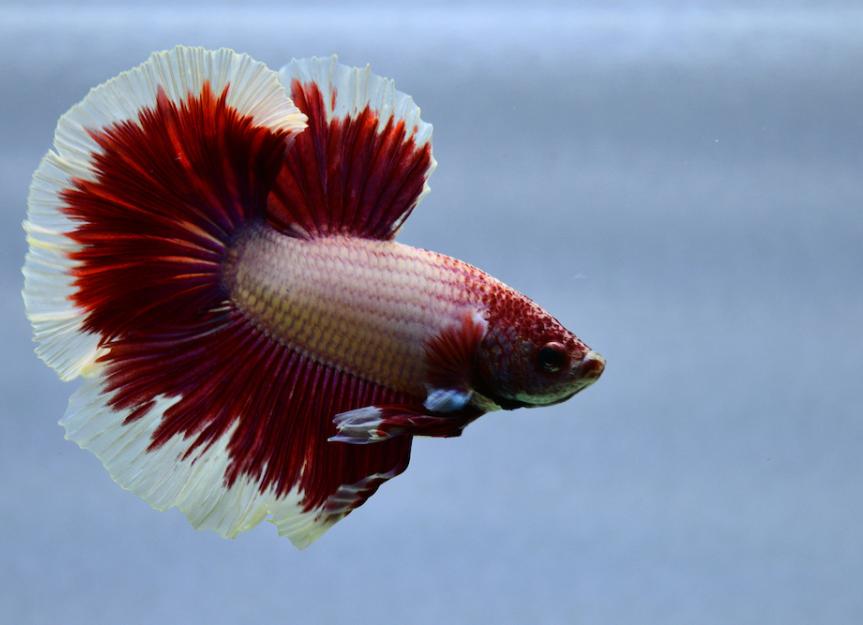
Betta fish are native to Southeast Asia, specifically the shallow freshwater habitats of Thailand, Cambodia, Laos, Vietnam, and the northern Malay Peninsula. The species most people keep as pets, Betta splendens, originated in central Thailand and the lower Mekong river basin. But the colorful, long-finned fish in pet stores look almost nothing like their wild ancestors, and their journey from rice paddy to fishbowl spans at least 400 years.
Their Native Range in Southeast Asia
Wild Betta splendens are found across a surprisingly wide swath of tropical Asia. Their core range stretches from central and eastern Thailand through Cambodia (historically called Kampuchea) and into southern Vietnam. Populations also extend south into the northern Malay Peninsula. Thailand is considered the species’ true homeland, with native populations concentrated in the Mae Khlong and Chao Phraya river basins and along the eastern slope of the Cardamom mountains.
Thailand isn’t just where bettas live. It’s where the common name “Siamese fighting fish” comes from, since Thailand was formerly known as Siam. The species is deeply woven into Thai culture, where it was historically bred for staged fights, similar to cockfighting, with bets placed on the outcome. Even the King of Thailand was known to breed fighting bettas.
What Their Wild Habitat Looks Like
If you picture a betta’s natural home as a crystal-clear stream, think again. Wild bettas live in shallow pools, roadside ditches, rice paddies, and slow-moving streams where the water is warm, sluggish, and often low in dissolved oxygen. These are not deep or fast-flowing environments. They’re often seasonal, filling with monsoon rains and shrinking during dry periods.
Bettas survive these harsh, oxygen-poor conditions thanks to a specialized breathing structure called the labyrinth organ. This organ lets them gulp air directly from the surface and extract oxygen from it, essentially functioning like a crude lung alongside their gills. Technically, Betta splendens is a “facultative air-breather,” meaning it can use this ability when oxygen in the water drops but doesn’t strictly require it at all times. This adaptation is one reason bettas can survive in small, stagnant bodies of water that would kill most other fish.
Wild Bettas vs. Pet Store Bettas
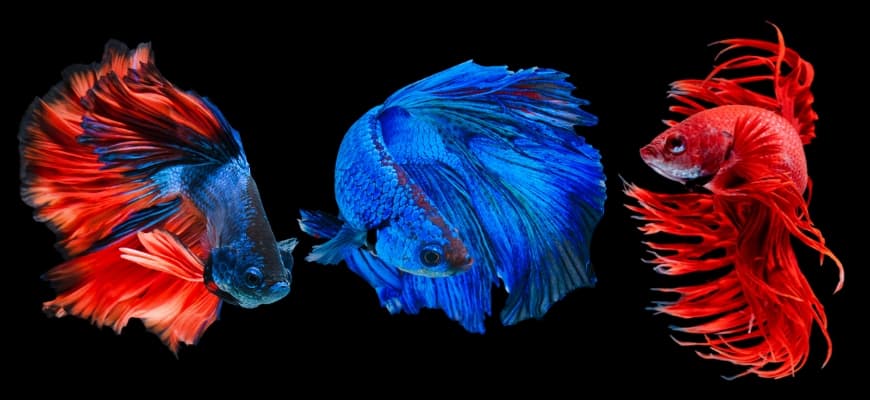
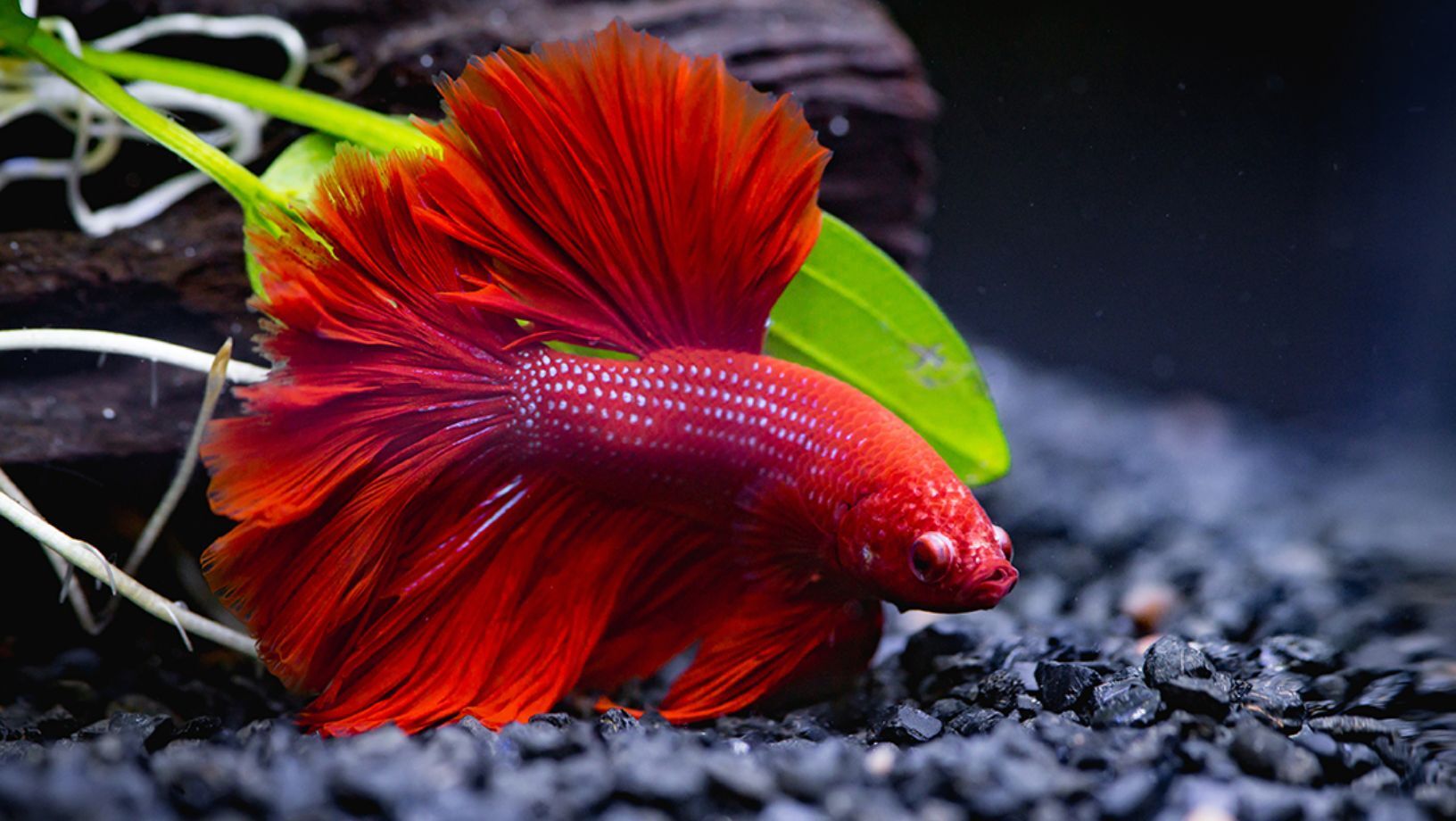
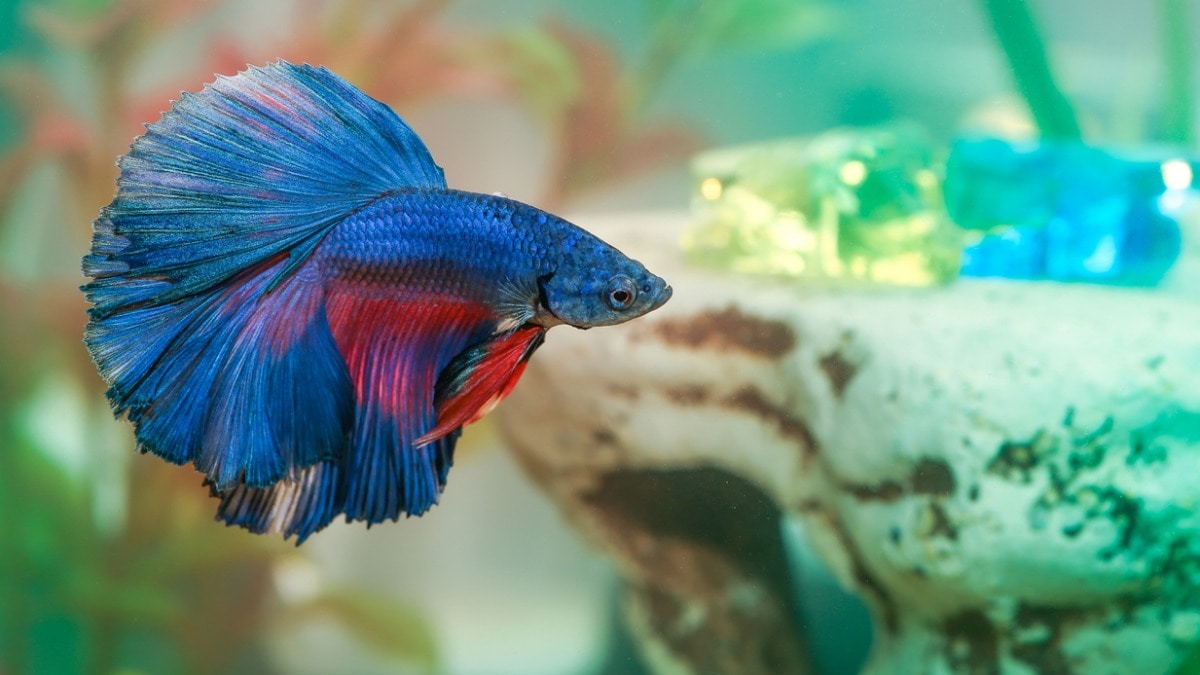
The bettas you see in pet stores have been selectively bred for centuries, and the transformation is dramatic. Wild Betta splendens are small, streamlined fish with short fins and earthy, muted colors: dull greens, browns, and subtle iridescent hints. They’re built for function, not display. Domesticated bettas, by contrast, come in vivid reds, blues, yellows, and metallics, with extravagant fin shapes like the Halfmoon or Crowntail varieties that would be a serious disadvantage in the wild.
Genetic research published in Science Advances confirmed that all current domesticated breeds trace back to the same group of wild Betta splendens, with the fighting breed representing the earliest domesticated form. Over time, breeders shifted from selecting for aggression to selecting for appearance. Scientists have identified specific genes that changed during this process, including ones responsible for the long, flowing fins and bright pigmentation that define modern pet bettas. At least two closely related wild species, Betta mahachaiensis and Betta imbellis, also contributed DNA to domesticated lines, adding to the genetic diversity behind today’s color and fin variations.
Domestication Started Earlier Than Expected
Researchers at Columbia University’s Zuckerman Institute recently discovered that betta domestication began at least 400 years ago, much earlier than scientists had previously assumed. By comparing the genomes of wild and domestic bettas, they traced the genetic divergence back several centuries. The earliest domesticated bettas were bred specifically for fighting, not beauty. Ornamental breeding came later, building on the aggression-selected foundation that fighters had already established.
This long domestication history explains why pet bettas are so genetically distinct from their wild relatives. Four centuries of selective breeding is a significant stretch, comparable to many dog breeds, and it has reshaped the fish’s behavior, appearance, and even its sex-determination genetics in ways that make Betta splendens a valuable model for evolutionary biologists.
A Much Larger Family Than Most People Realize
Betta splendens gets all the attention, but it belongs to a genus of at least 79 described species spread across Southeast Asia. Indonesia alone is home to 48 native Betta species, with several found nowhere else on Earth. Betta rubra, for example, is believed to be endemic to Aceh province and northern Sumatra. Other species like Betta edithae, Betta foerschi, and Betta schalleri are endemic to specific Indonesian islands.
Many of these wild species are part of what scientists call the “Betta splendens complex,” a group of closely related species that includes B. imbellis (the peaceful betta), B. mahachaiensis (discovered as recently as 2012 in Thailand’s coastal marshes), and B. stiktos. All of these wild species share the short-finned, muted appearance that Betta splendens had before humans got involved. They occupy similar shallow, warm-water habitats across the region, from the Mekong Delta to the islands of the Indonesian archipelago.
So while the betta on your desk traces its ancestry to the rice paddies of central Thailand, its wild relatives are scattered across thousands of miles of tropical Asia, quietly thriving in the kind of warm, weedy, unremarkable water that most people would walk right past.





:strip_icc()/siamese-fighting-fish-bettas-1378308-hero-f459084da1414308accde7e21001906c.jpg "Betta Fish (Siamese Fighting Fish) Fish Species Profile")