
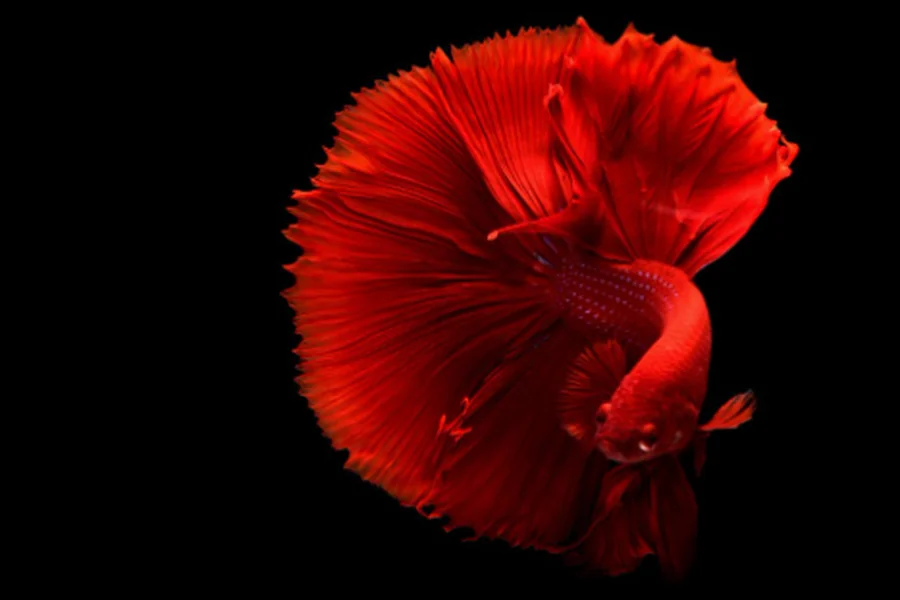

Betta fish attract many aquarium enthusiasts through their striking appearance and distinctive behavior. Their long, flowing fins and bold colors make them stand out in freshwater aquariums. Many beginners researching Betta care frequently ask, “Can a male and female Betta fish live together?”, —especially when planning their first aquarium setup. The species carries the scientific name Betta shining and originates from Southeast Asia. Aquarists often admire them for their elegance, yet their temperament raises frequent questions among beginners. One question appears often: can a male and female betta share the same aquarium?
A clear answer requires an understanding of their behavior, environment, and care requirements. Betta fish display strong territorial instincts, and their living conditions influence how they interact with other fish. With the right knowledge, fish keepers can provide a healthy environment that suits their natural tendencies.
Natural Habitat and Adaptation
Betta fish developed in warm regions of Southeast Asia, including Thailand, Cambodia, Laos, and Vietnam. Their natural surroundings include shallow rice fields, ponds, marshes, and gentle streams. Water in these locations often holds limited oxygen, which shaped the betta’s ability to survive under such conditions.
A specialized breathing structure called the labyrinth organ allows bettas to draw oxygen from the air above the water’s surface. This feature supports survival in areas where many fish struggle. Bettas often swim upward to take a quick breath before returning below the surface.
Vegetation fills much of their natural habitat. Aquatic plants, floating leaves, and organic debris provide shelter and security. These elements offer protection from predators and create private spaces where individual fish establish territory. Replicating similar features within an aquarium helps reduce stress and supports natural behavior.
Behavior and Territorial Nature
Betta fish gained widespread recognition for their strong territorial instincts. Male bettas display the most noticeable aggression, particularly toward other males. When placed in the same tank, two males usually fight, often leading to severe injury or death.
Female bettas display calmer behavior, yet conflicts can still arise. Housing a male and female together outside of breeding circumstances can lead to chasing, fin damage, or prolonged stress. Their instinct to defend territory plays a major role in these interactions.
Breeders introduce males and females under controlled conditions and remove the female soon after spawning. Outside breeding situations, most aquarists keep male bettas alone. This arrangement reduces stress and prevents conflict within the aquarium.
Lifespan and Aquarium Care
Betta fish often live between three and five years under suitable care. Their lifespan reflects the quality of their environment, nutrition, and maintenance routines. A tank size of at least five gallons provides adequate swimming space and supports stable water conditions.
Warm temperatures support the health of this tropical species. Water usually remains comfortable within a range of 76 to 82 degrees Fahrenheit. A heater maintains this range, particularly in cooler indoor settings. Filtration plays another role in maintaining water clarity and reducing waste accumulation.
Clean water contributes greatly to long-term health. Regular partial water changes remove waste and maintain stable chemical balance. Fish keepers who maintain a clean tank environment often observe more active and healthy bettas.
Feeding Habits and Nutrition
Betta fish follow a carnivorous diet. In natural environments they hunt insects, larvae, and small aquatic organisms near the water surface. Their feeding habits remain similar within an aquarium.
Commercial betta pellets provide balanced nutrition designed for their dietary needs. These pellets serve as a primary food source for many fish keepers. Occasional treats bring variety and stimulate natural hunting behavior. Frozen or live foods such as bloodworms, brine shrimp, and daphnia are widely used.
Moderation during feeding helps prevent common health issues. Bettas possess small stomachs and require only small portions. Overfeeding may lead to digestive problems and reduced activity.
Breeding Behavior
Betta breeding presents a fascinating display of natural behavior. Male bettas construct bubble nests at the water surface by releasing air bubbles coated with saliva. These floating clusters serve as a nursery for fertilized eggs.
When a receptive female enters the breeding tank, the male begins courtship displays. These movements involve flaring fins and circling motions near the nest. Once spawning occurs, the male gathers fertilized eggs and places them within the bubble nest.
At this stage, the female leaves the breeding tank. The male assumes responsibility for guarding the eggs and maintaining the nest. Newly hatched fry remain under his protection until they begin swimming freely.
Varieties and Color Forms
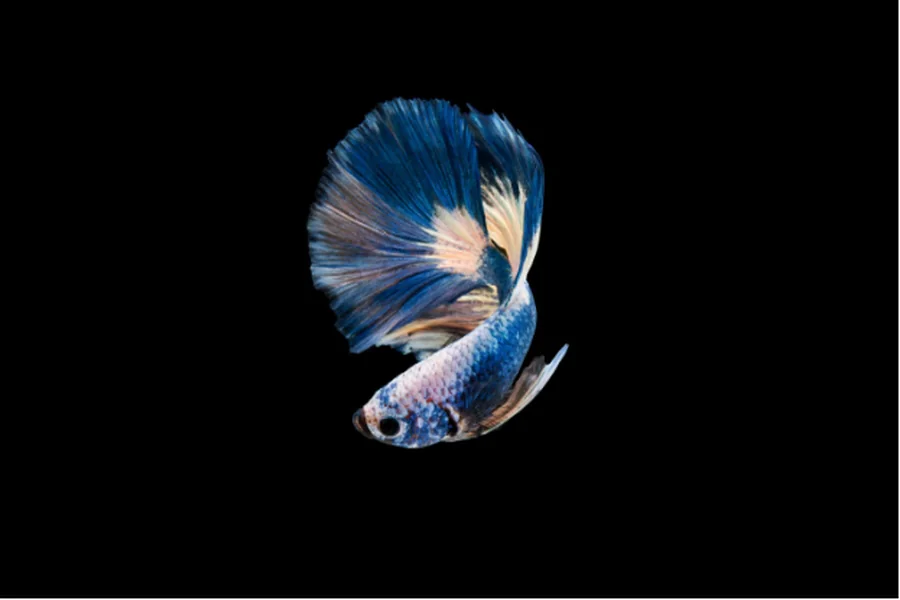
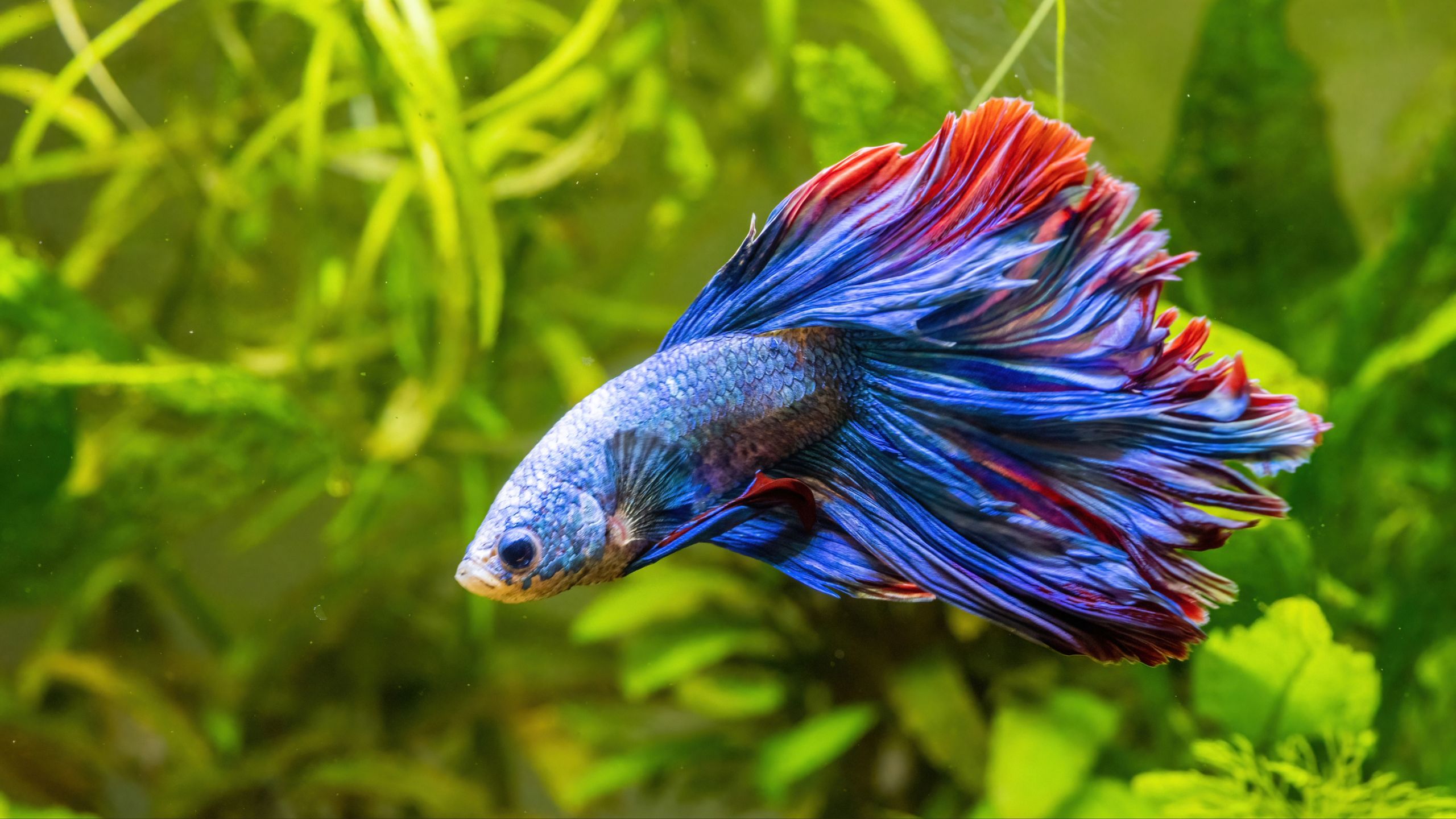
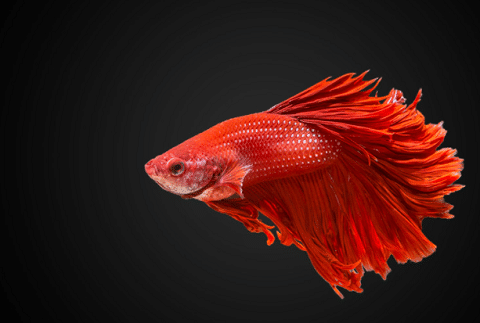
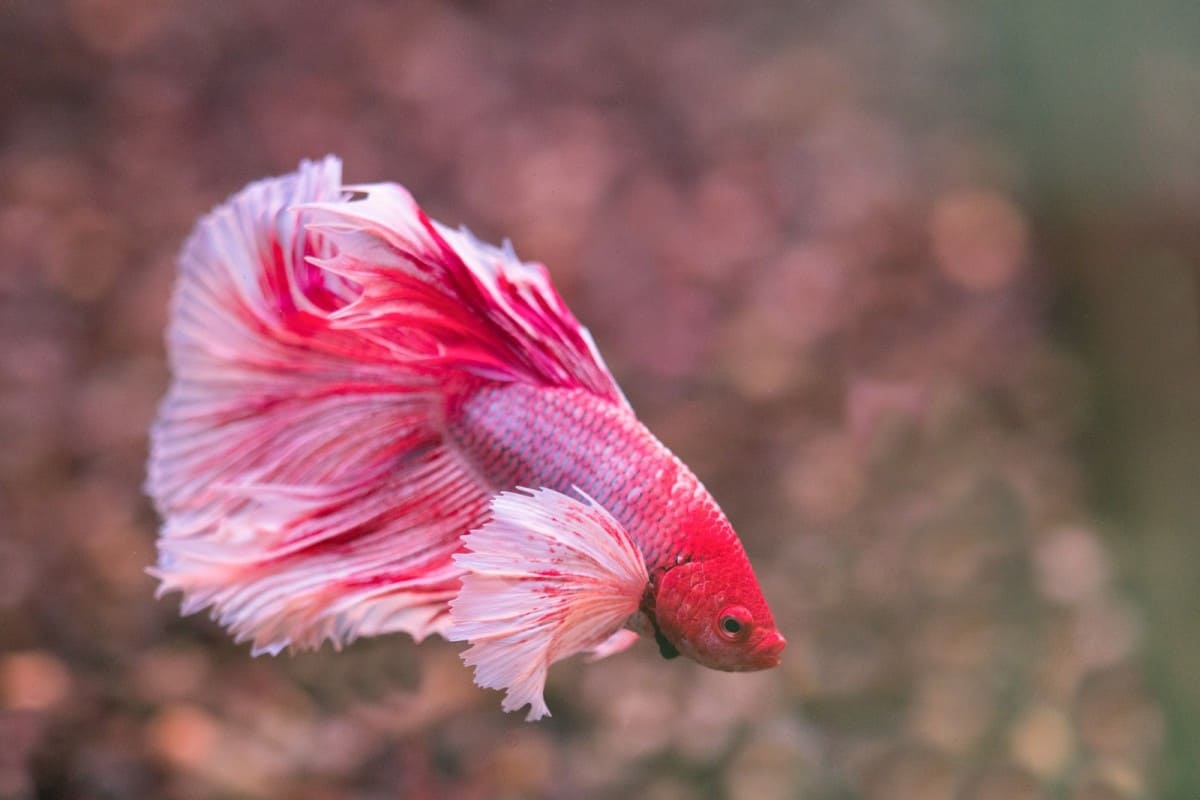
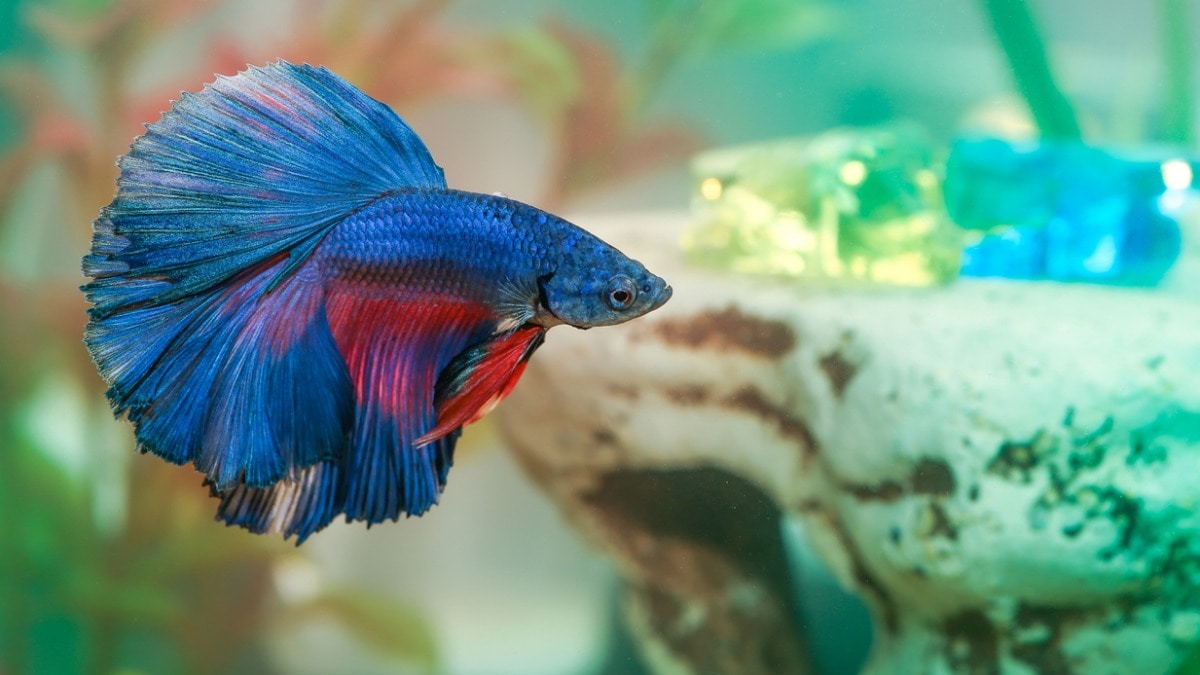
Selective breeding produced many striking betta varieties. Aquarists appreciate the wide selection of colors and fin shapes available today. Shades range from deep blue and bright red to emerald green, white, and metallic hues.
Fin structures vary just as widely. The veil tail type appears frequently in aquarium stores, with long fins that flow downward. Crown tail bettas feature spiked rays that create a dramatic outline. Halfmoon varieties spread their tail fins into a broad semicircle when fully extended.
These visual traits add to the appeal of betta fish, making them a favorite choice for home aquariums across the world.
Creating an Enriched Aquarium Environment
A thoughtfully arranged tank supports both comfort and natural behavior. Plants, hiding spaces, and gentle lighting create a calm atmosphere that resembles the betta’s natural surroundings.
Live plants often serve as excellent additions. Species such as java fern and anubias adapt well to aquarium conditions and require limited light. Their broad leaves offer resting spots close to the water surface, a location bettas frequently prefer.
Decorative elements such as driftwood or smooth rocks provide exploration opportunities. Bettas display curiosity and often investigate new features within their tank. A well-structured environment encourages activity and reduces boredom.
Health and Common Issues
Betta fish remain fairly resilient, yet poor water conditions may lead to health problems. Fin rot ranks among the most common issues, often linked to bacterial growth in unclean water. Early signs include fraying or discoloration along the fin edges.
Another frequent illness is ich, which appears as tiny white spots across the fish’s body and fins. Maintaining stable water quality and observing fish behavior daily helps detect problems early.
Routine maintenance, balanced feeding, and suitable water temperature reduce the likelihood of disease. Healthy bettas display bright colors, active swimming patterns, and strong appetites.
Tank Mates and Social Compatibility
Betta fish often live alone in aquariums, particularly males. Their territorial instincts create challenges when selecting companions. Peaceful species that avoid bright colors and long fins usually create fewer conflicts.
Small snails and certain shrimp species often coexist peacefully with bettas. These animals occupy different areas of the tank and rarely trigger aggressive responses. Fish keepers who wish to add companions should monitor interactions closely during the early stages.
Responsible Betta Fish Keeping
Betta ownership brings enjoyment when fish keepers understand the species’ needs. Careful research helps hobbyists prepare suitable environments and recognize signs of stress or illness. Knowledge of their natural behavior helps prevent many common mistakes.
Maintaining proper tank conditions, providing appropriate nutrition, and observing daily behavior all contribute to a healthy aquarium. Thoughtful care allows these fish to display their natural colors and personality.
Conclusion
Betta fish remain one of the most admired freshwater species kept in home aquariums. Their vivid colors, elegant fins, and intriguing behavior capture the interest of both beginners and experienced aquarists. Their territorial nature requires thoughtful housing decisions, particularly when considering shared tanks.
A stable environment, balanced diet, and clean water support long-term health. Aquarists who respect the species’ natural habits often witness lively behavior and striking visual displays. With attentive care, a betta fish becomes a captivating presence within a small aquarium, offering years of fascination for those who appreciate these remarkable fish.







:strip_icc()/siamese-fighting-fish-bettas-1378308-hero-f459084da1414308accde7e21001906c.jpg "Betta Fish (Siamese Fighting Fish) Fish Species Profile")


