

Thank you for visiting! By the way… any links on this page that lead to products on Amazon and other stores/partners are affiliate links Aquarium Store Depot earns a commission if you make a purchase.
Bettas are the fish that pull more people into the hobby than almost anything else — and they’re far more complex than their reputation as “beginner bowl fish” suggests. I’ve kept bettas for over 25 years alongside everything from community freshwater setups to a 125-gallon reef, and bettas remain one of my favorite species to recommend because the ceiling on what you can learn from them is surprisingly high. The right setup, the right tank mates, proper nutrition, and understanding their behavior transforms keeping a betta from a novelty into a genuinely rewarding experience. This guide covers everything: care, types, tank mates, common health issues, and the setup mistakes that shorten their lives. Use the sections below to find exactly what you need.
Video: Betta Fish Care Guide
Table of Contents
Getting Started with Betta Fish
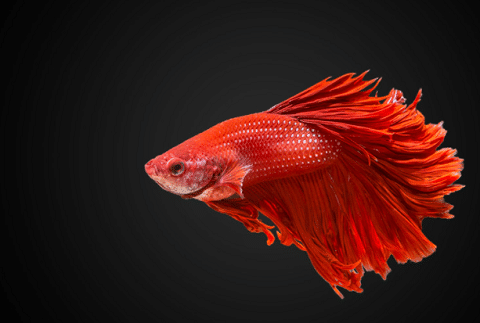
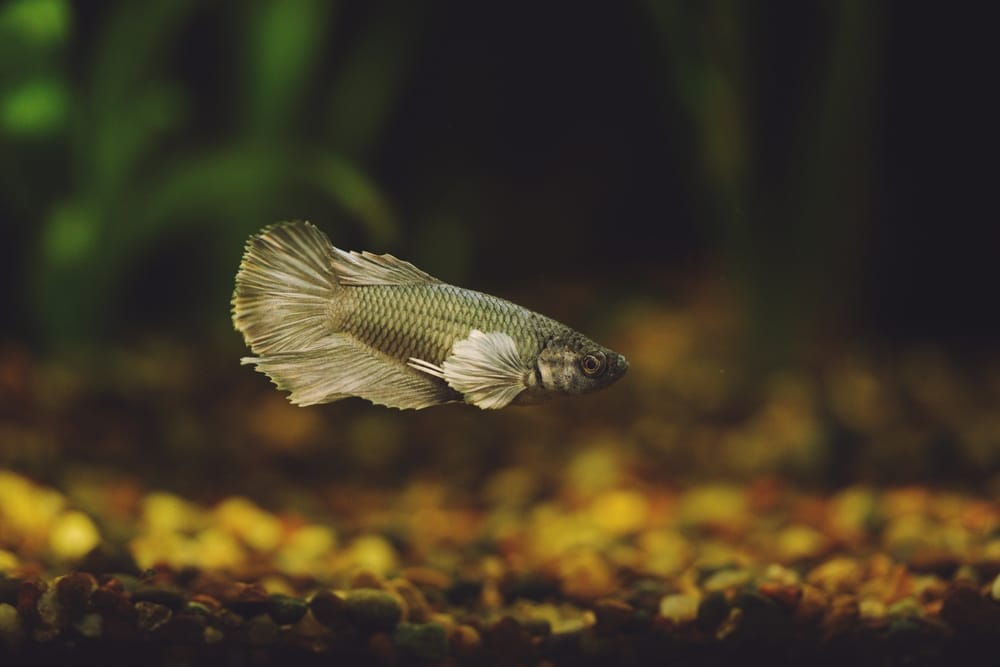
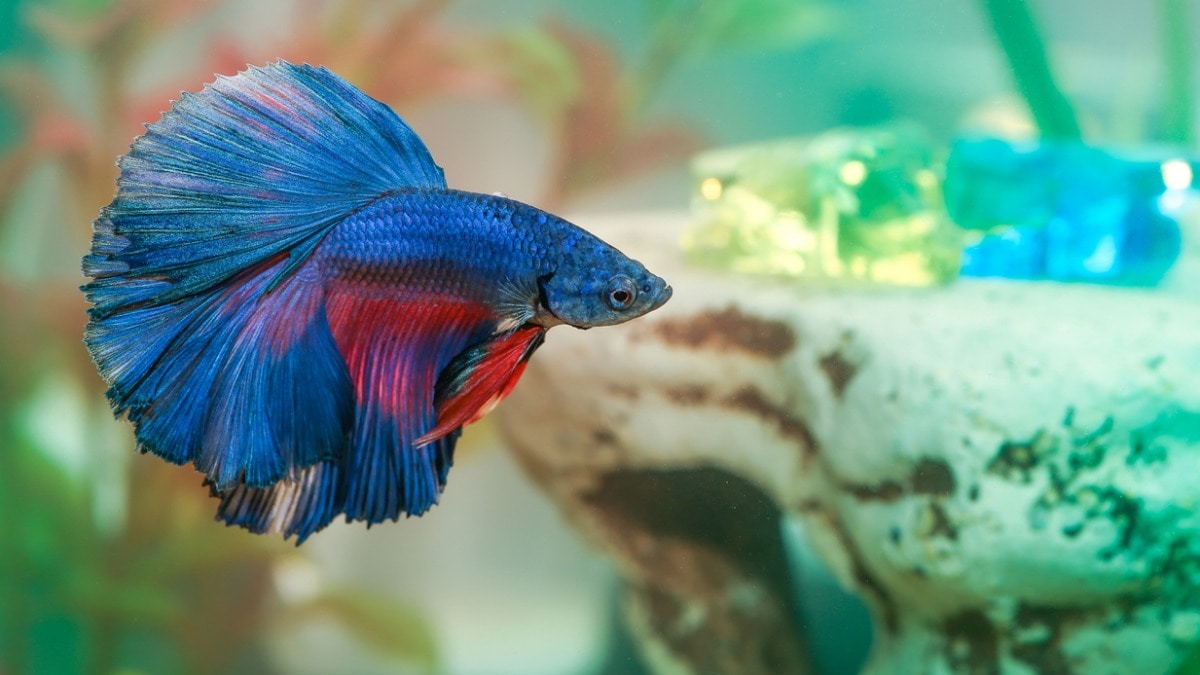
Betta fish (Betta shining), also known as Siamese Fighting Fish, originate from the rice paddies and shallow waters of Southeast Asia. They are labyrinth fish, meaning they can breathe air from the surface — which is why they can survive in lower-oxygen environments. However, “surviving” and “thriving” are very different things. Proper care is essential for a healthy, vibrant betta.
A betta’s minimum tank size should be 5 gallons, they require warm water (76-81°F), and they need a gentle filter and regular water changes. With the right setup, bettas can live 3-5 years and will reward you with incredible personality and interaction.
Dive Deeper:
Betta Fish Types & Varieties
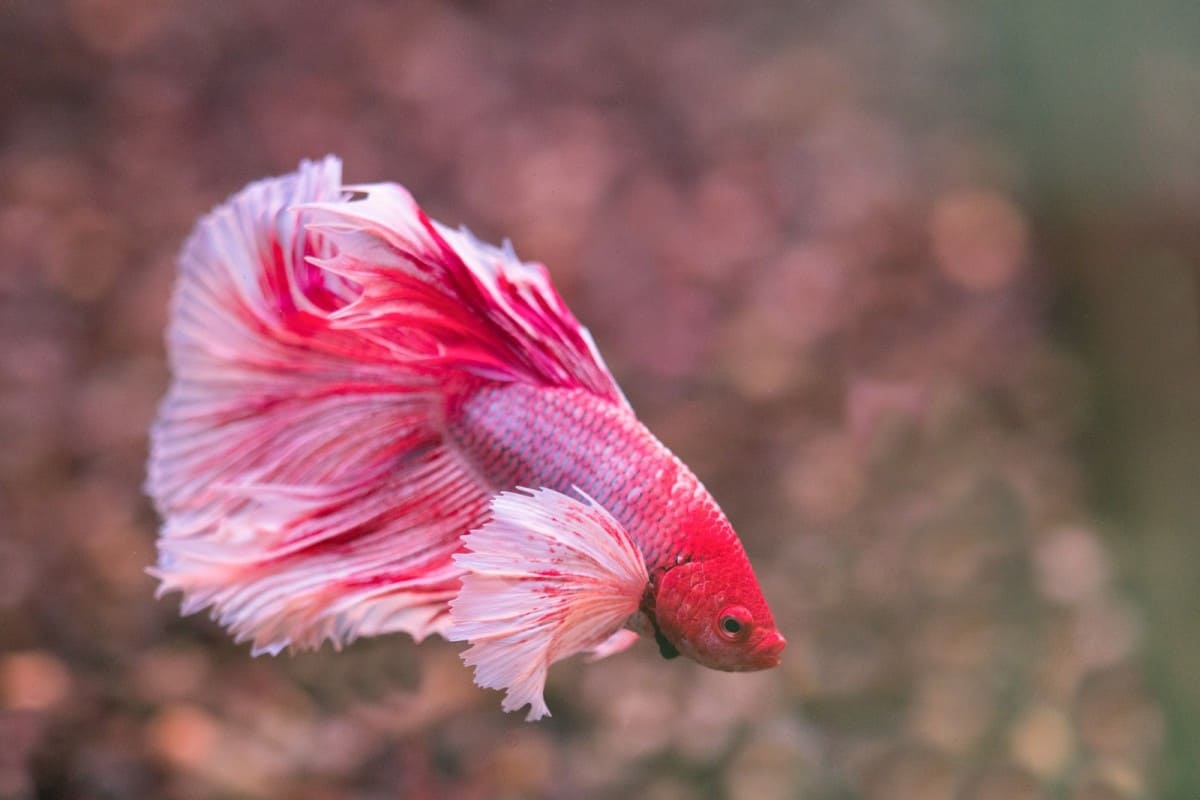
One of the most exciting aspects of betta keeping is the incredible diversity of tail types and color patterns available. From the elegant flowing fins of Halfmoon bettas to the spiky crown-like rays of Crowntails, and from solid colors to stunning marble and galaxy patterns — there’s a betta for every taste. Some rare varieties can cost hundreds or even thousands of dollars.
Understanding the different varieties helps you choose the right betta for your setup and know what to expect in terms of care requirements, as some varieties like Dragon Scale bettas are more prone to certain health issues.
Dive Deeper:
Tank Setup & Equipment
Setting up a proper betta tank goes beyond just filling a container with water. Bettas are tropical fish that need consistent warm temperatures, clean filtered water, and an enriching environment with plants and hiding spots. The right equipment makes the difference between a betta that merely survives and one that truly thrives with vibrant colors and active behavior.
Key equipment includes a reliable heater (bettas need 76-81°F), a gentle filter (bettas prefer low flow), appropriate lighting, and live or silk plants. Regular maintenance including water changes and tank cleaning is essential for long-term health.
Dive Deeper:
Feeding & Nutrition
Betta fish are carnivores in the wild, feeding primarily on insects and insect larvae. In captivity, they need a protein-rich diet to maintain their health and color. A quality betta-specific pellet should form the base of their diet, supplemented with frozen or freeze-dried foods like bloodworms, brine shrimp, and daphnia.
Overfeeding is one of the most common mistakes betta keepers make. A betta’s stomach is roughly the size of its eye, so 2-3 pellets twice daily is typically sufficient. Fasting one day per week can help prevent bloating and digestive issues.
Dive Deeper:
Tank Mates & Compatibility
Contrary to popular belief, betta fish don’t have to live alone. While male bettas are aggressive toward other male bettas (and often toward fish with similar flowing fins), many species can coexist peacefully with bettas in a properly sized community tank. The key is choosing the right tank mates — peaceful, non-nippy species that won’t compete with your betta or trigger aggression.
Popular compatible tank mates include Corydoras catfish, certain tetras, snails, and shrimp. A minimum 10-gallon tank is recommended for any betta community setup, and always have a backup plan in case your particular betta doesn’t tolerate tank mates.
Dive Deeper:
Betta Fish Behavior
Betta fish are among the most personable freshwater fish you can keep. They recognize their owners, can be trained to do simple tricks, and display a wide range of interesting behaviors. Understanding these behaviors helps you identify when your betta is happy, stressed, or potentially ill.
Common behaviors include flaring (spreading their gills to appear larger), building bubble nests (a sign of a healthy, content male), glass surfing (which can indicate stress), and resting near the bottom or on leaves. Learning to read your betta’s body language is one of the most rewarding parts of keeping these incredible fish.
Dive Deeper:
Health & Disease
Even with excellent care, betta fish can sometimes fall ill. The most common betta diseases include ich (white spot disease), fin rot, velvet, swim bladder disorder, and dropsy. Early detection is critical — the sooner you notice symptoms and begin treatment, the better your betta’s chances of recovery.
Prevention is always better than cure. Maintaining clean water with proper parameters, avoiding overfeeding, minimizing stress, and quarantining new tank mates are the best ways to keep your betta healthy. When disease does strike, understanding the specific condition helps you choose the right treatment.
Dive Deeper:
Breeding Betta Fish
Breeding betta fish is a rewarding but challenging endeavor that requires careful planning, dedicated equipment, and patience. The process involves conditioning a pair, introducing them carefully, monitoring the male’s bubble nest building and the spawning embrace, and then raising potentially hundreds of tiny fry.
You’ll need a separate breeding tank, a conditioning period with high-protein foods, and a plan for raising and rehoming the fry. It’s not a casual undertaking — but for dedicated hobbyists, breeding bettas offers a fascinating window into their natural reproductive behavior.
Dive Deeper:
Your Betta Fish Journey Starts Here
Whether you’re setting up your first betta tank or looking to level up your betta keeping skills, the resources above will help you provide the best possible care for your fish. Betta fish are incredibly rewarding pets — with the right knowledge and setup, your betta will thrive and bring you joy for years to come.
Have questions? Drop a comment below and our team will be happy to help. And be sure to check out our YouTube channel for video guides on betta fish care and more.
- About the Author
- Latest Posts

I’m thrilled that you found Aquarium Store Depot! Here you’ll find information on fish, aquariums, and all things aquatics related. I’m a hobbyist (being doing this since I was 11) and here to help other hobbyists thrive with their aquariums! I adhere to a high quality Editorial Process and Review products with real life field usage and practical analysis.









:strip_icc()/siamese-fighting-fish-bettas-1378308-hero-f459084da1414308accde7e21001906c.jpg "Betta Fish (Siamese Fighting Fish) Fish Species Profile")


