To truly appreciate Betta fish, it’s important to understand their roots. The betta fish origin traces back to the lush, tropical landscapes of Southeast Asia. Specifically, Betta fish are native to Thailand, Cambodia, Vietnam, and Laos—regions known for their warm climates and abundant waterways.
In their betta fish original habitat, these fish thrive in shallow, slow-moving waters. You’ll find them darting through rice paddies, meandering in slow streams, and resting in roadside ditches. These environments are often muddy, low in oxygen, and subject to dramatic changes in water level. Yet, Betta fish have evolved remarkable adaptations to survive and even flourish in such conditions.
One of the most fascinating aspects of the origin of betta fish is their ability to live in places where many other fish would struggle. Their labyrinth organ—a unique respiratory structure—allows them to breathe air directly from the surface. This adaptation means Betta fish can survive in stagnant or oxygen-poor waters, a trait that has helped them spread across various parts of Southeast Asia.
The betta fish country of origin, especially Thailand, holds a special place in the story of these vibrant creatures. In fact, the name “Betta” is believed to come from an ancient local clan called the “Bettah,” while their scientific name, Betta splendens, reflects their splendid appearance. Understanding the betta fish origin country and their natural environment helps us provide better care for our own aquatic companions at home.
The Rich History of Betta Fish in Southeast Asia and Beyond
The betta fish history is as colorful as the fish themselves. For centuries, Betta fish have played a significant role in Southeast Asian culture, particularly in Thailand. Local villagers first noticed the territorial and combative nature of these fish in the wild. This led to the practice of collecting and breeding Betta fish for competitive fighting—a pastime that became so popular it was eventually regulated by the King of Siam in the 19th century.
These early fish fighting competitions weren’t about causing harm but rather about observing the fish’s natural displays of dominance and endurance. The term “siamese fighting fish” comes directly from this tradition, highlighting both their country of origin and their spirited behavior.
As word of these remarkable fish spread, Betta fish began to attract the attention of naturalists and aquarium enthusiasts worldwide. In the late 1800s, Betta fish were introduced to Europe and North America, where their striking colors and engaging personalities quickly made them a favorite among pet lovers. Selective breeding led to the wide variety of colors and tail types we see today, transforming the humble Betta from a wild fighter to a cherished aquarium companion.
The journey from rice paddies to living rooms is a testament to the enduring appeal of Betta fish. Their history is a blend of cultural significance, natural adaptation, and human fascination—a story that continues to unfold in aquariums around the globe.
Natural Behavior of Siamese Fighting Fish
If you’ve ever watched a Betta fish flare its fins or build a cluster of bubbles at the water’s surface, you’ve witnessed some of the most intriguing behaviors in the aquarium world. Siamese fighting fish are renowned for their territorial nature. In the wild, males stake out small territories and defend them fiercely from intruders, often engaging in dramatic displays of fin flaring and color changes.
One of the most unique behaviors is bubble nest building. Male Betta fish create floating nests of bubbles, carefully constructed at the water’s surface. These nests serve as a safe haven for eggs and developing fry, showcasing the fish’s remarkable parental instincts. Even in home aquariums, you might spot your Betta busily blowing bubbles—a sign of a healthy and content fish.
Another fascinating trait is their ability to breathe air using the labyrinth organ. Unlike most fish, Betta fish can gulp air from the surface, allowing them to survive in low-oxygen environments. This adaptation is a direct result of their betta fish origin in shallow, stagnant waters.
Understanding these natural behaviors not only enriches our appreciation for Betta fish but also guides us in creating environments that support their well-being. Providing space, hiding spots, and gentle water flow helps mimic their natural habitat and keeps our furry friends happy and healthy.
Fun and Interesting Betta Fish Facts
Betta fish are full of surprises, and the more you learn about them, the more fascinating they become. Here are some betta fish facts that might just make you see your aquatic companion in a whole new light:
-
Betta fish can recognize their owners. Many Betta fish will swim to the front of the tank when you approach, responding to your presence and even following your finger along the glass.
-
They can breathe air from the surface. Thanks to their labyrinth organ, Betta fish aren’t limited to extracting oxygen from water alone. This means they can survive in environments where other fish might struggle.
-
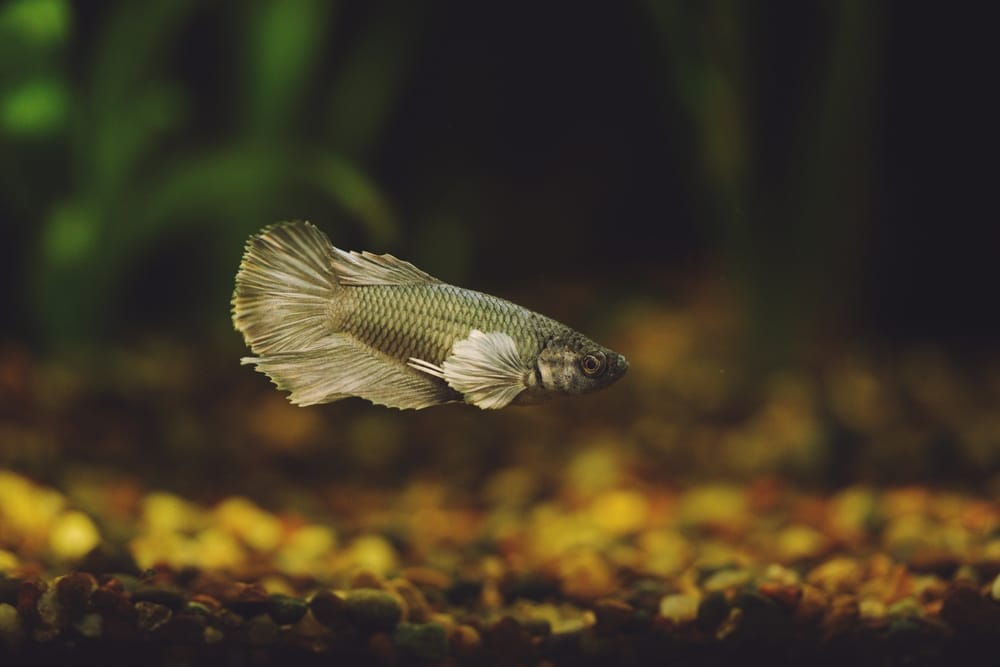
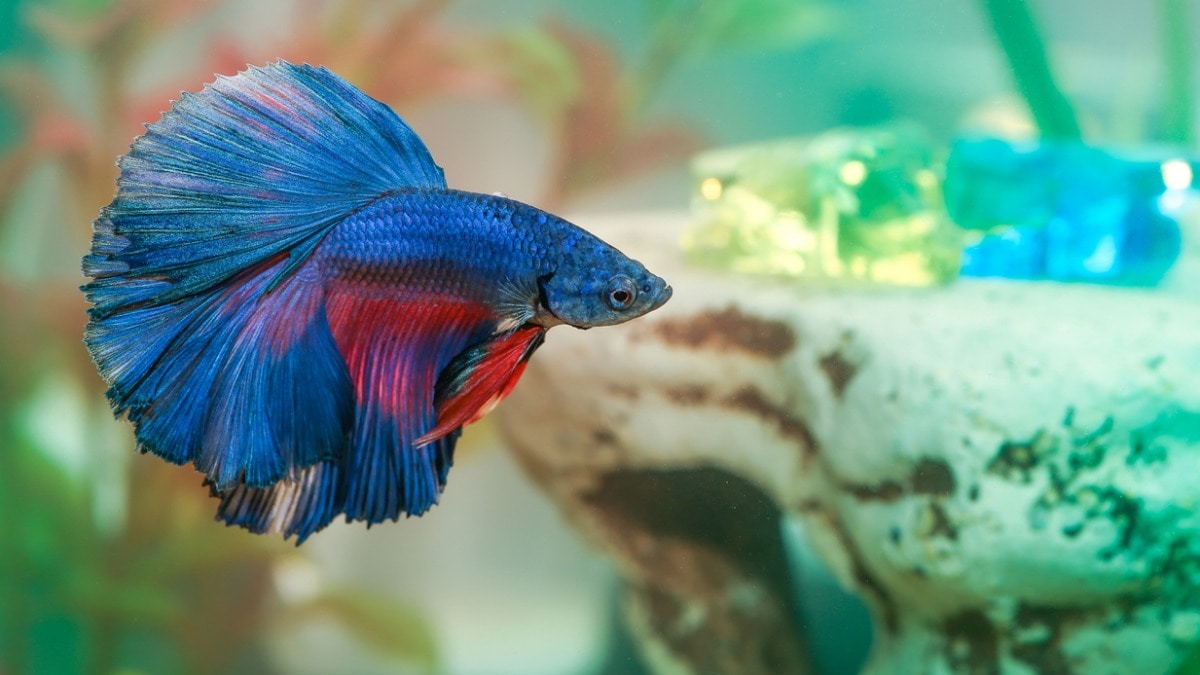
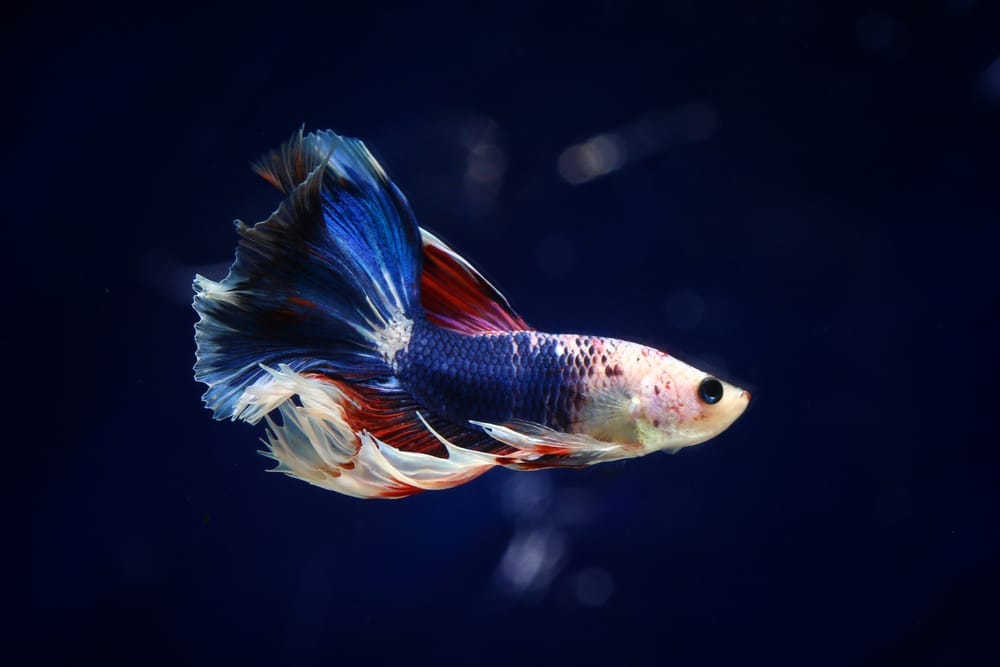
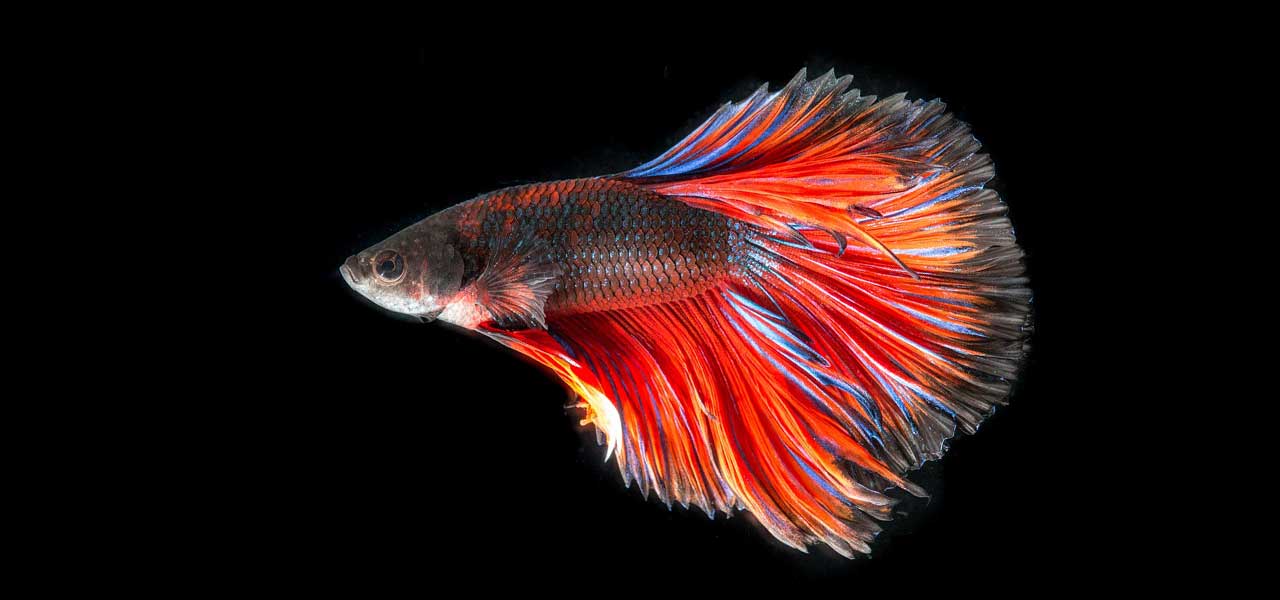
A rainbow of colors and tail types. Through selective breeding, Betta fish now come in an astonishing array of colors—red, blue, yellow, white, and even metallic shades. Their tails can be veil-shaped, crown-like, or double, adding to their visual appeal.
-
Intelligent and interactive. Betta fish are known for their curious and playful nature. They can learn simple tricks, navigate mazes, and even play with floating toys.
These betta fish facts highlight why Betta fish are such engaging pets. Their intelligence and personality make them more than just a pretty face—they’re interactive companions that bring joy and intrigue to any aquarium.
Betta Fish in Home Aquariums: Care Tips for Beginners
Bringing a Betta fish into your home is a rewarding experience, but it’s important to understand their needs to ensure a long and healthy life. Proper betta fish care starts with providing the right environment.
Ideal Tank Size:
Despite common myths, Betta fish do not thrive in tiny bowls. A minimum tank size of 5 gallons is recommended to give your Betta room to swim and explore. Larger tanks are even better, especially if you plan to add plants or decorations.
Water Conditions:
Betta fish prefer warm water, ideally between 76–82°F (24–28°C). Use a heater to maintain a stable temperature and a gentle filter to keep the water clean. Regular water changes are essential to prevent the buildup of harmful toxins.
Basic Care Tips for Beginners:
-
Use a water conditioner to remove chlorine and other chemicals.
-
Provide hiding spots with plants or decorations to reduce stress.
-
Feed a balanced diet of high-quality Betta pellets, supplemented with occasional treats like bloodworms or brine shrimp.
-
Avoid placing two male Betta fish together, as their territorial nature can lead to aggression.
By following these betta fish care guidelines, you’ll create a safe and stimulating environment for your furry friend. Remember, a happy Betta is an active and colorful Betta!
Common Myths About Betta Fish
With their popularity comes a fair share of misconceptions. Let’s clear up some common myths about Betta fish to help you provide the best care possible.
Myth 1: Bettas do well in tiny bowls.
While Betta fish are often sold in small containers, these are not suitable for long-term living. Small bowls restrict movement, reduce water quality, and can lead to health problems. Bettas need space to swim and explore, just like any other fish.
Myth 2: Bettas don’t need filtration or heating.
Betta fish are hardy, but they still require clean, warm water to thrive. A gentle filter helps maintain water quality, and a heater ensures a stable temperature. Neglecting these essentials can lead to stress and illness.
Myth 3: Bettas are low-maintenance pets.
While Betta fish care is manageable for beginners, it’s important to remember that all pets require attention and commitment. Regular feeding, tank maintenance, and observation are key to keeping your Betta healthy and happy.
By debunking these myths, we can promote responsible pet ownership and ensure our Betta fish live long, vibrant lives.
Conclusion
From their humble beginnings in Southeast Asian rice paddies to their status as one of the world’s most beloved aquarium fish, Betta fish have a story as vibrant as their colors. Their unique adaptations, rich cultural history, and engaging personalities make them a favorite among aquarium hobbyists and pet lovers alike.
Understanding the betta fish origin and providing proper betta fish care are essential for keeping these furry friends healthy and happy. By creating an environment that mimics their natural habitat and meeting their specific needs, you’ll enjoy the company of a truly fascinating aquatic companion.
Ready to welcome a Betta fish into your home? With the right knowledge and a little care, you’ll discover why Betta fish remain one of the most loved and rewarding pets in the aquarium world.