



Related posts
The Lindy Johnson Fellowship – New England Aquarium

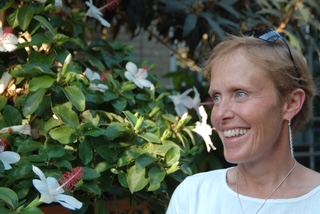
About Lindy Johnson
Lindy Johnson started her career as an attorney-advisor with the Office of Gen...
Aquarium Celebrity Spotlight: Myrtle the Green Sea Turtle
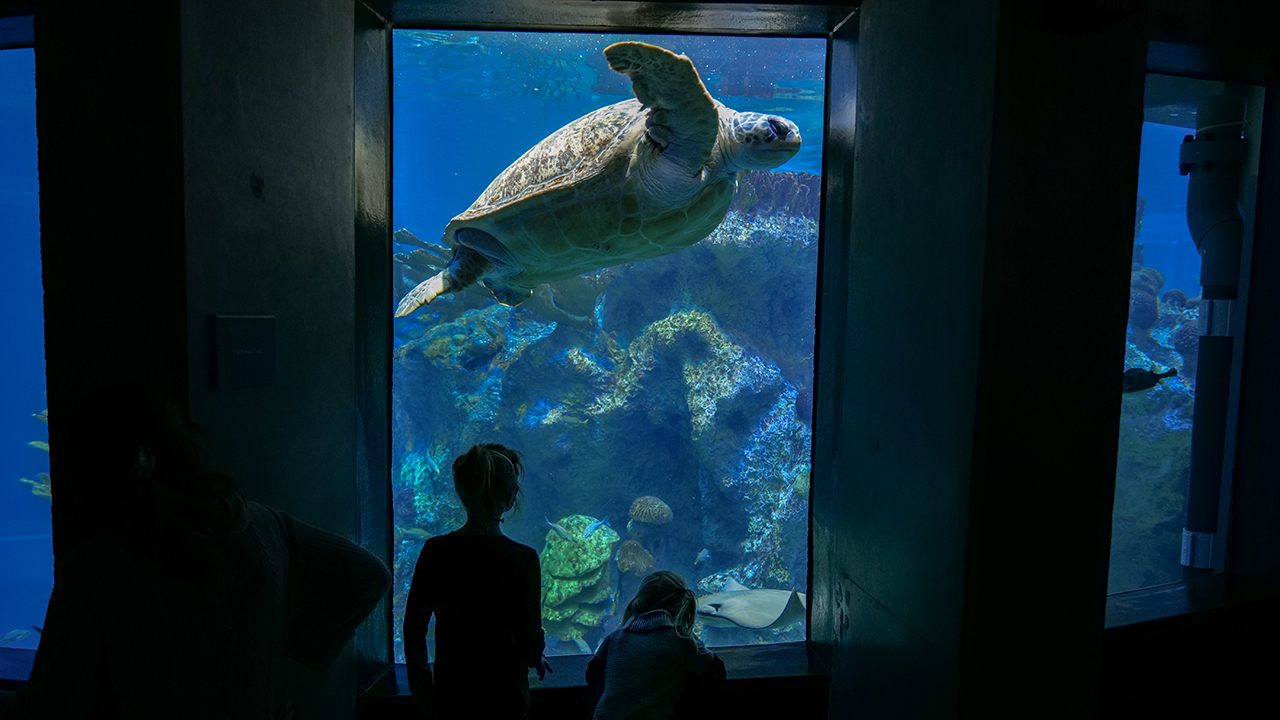
A multi-generational talent
Myrtle is not the most social when it comes to other animals, and enric...
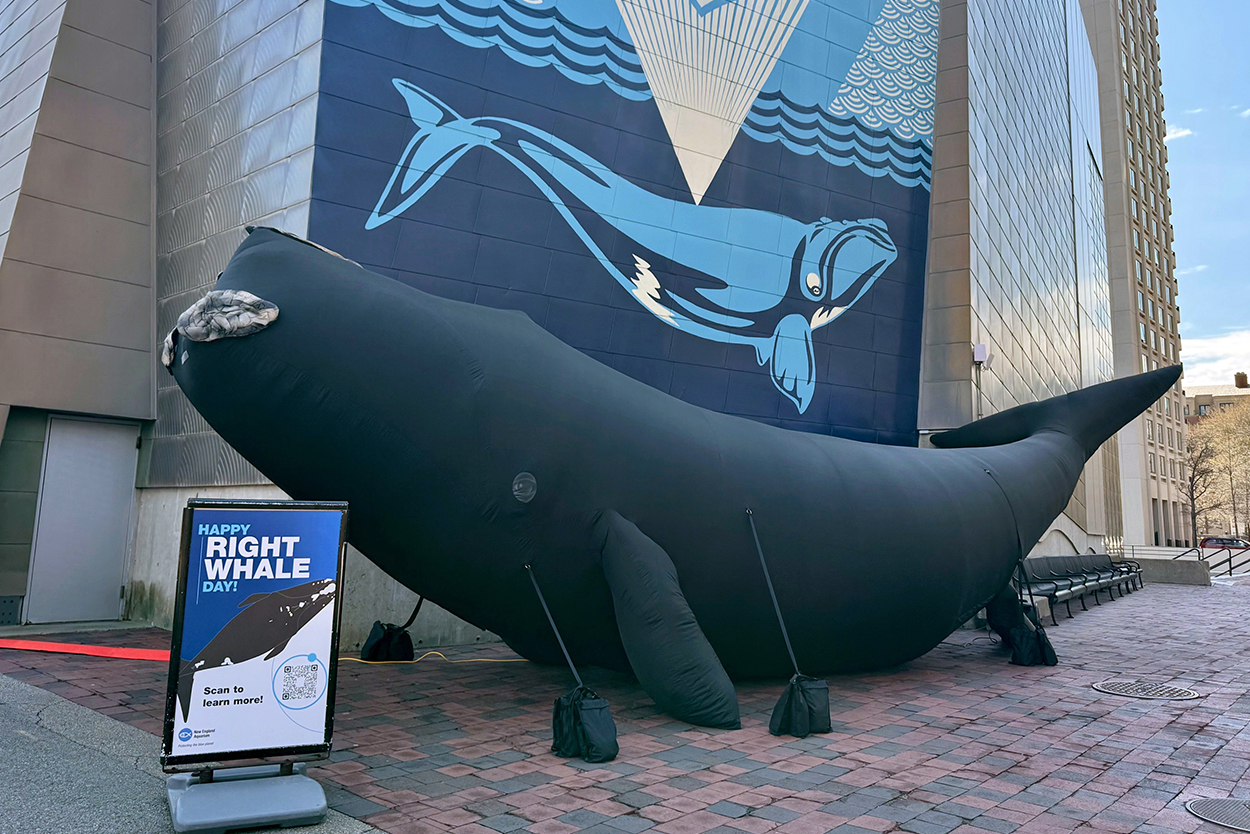
Celebrate Right Whale Day at the New England Aquarium
Free programming
Right Whale Day Commemoration
10:00–11:00 a.m.Harbor View Tent
Hear from the Massa...
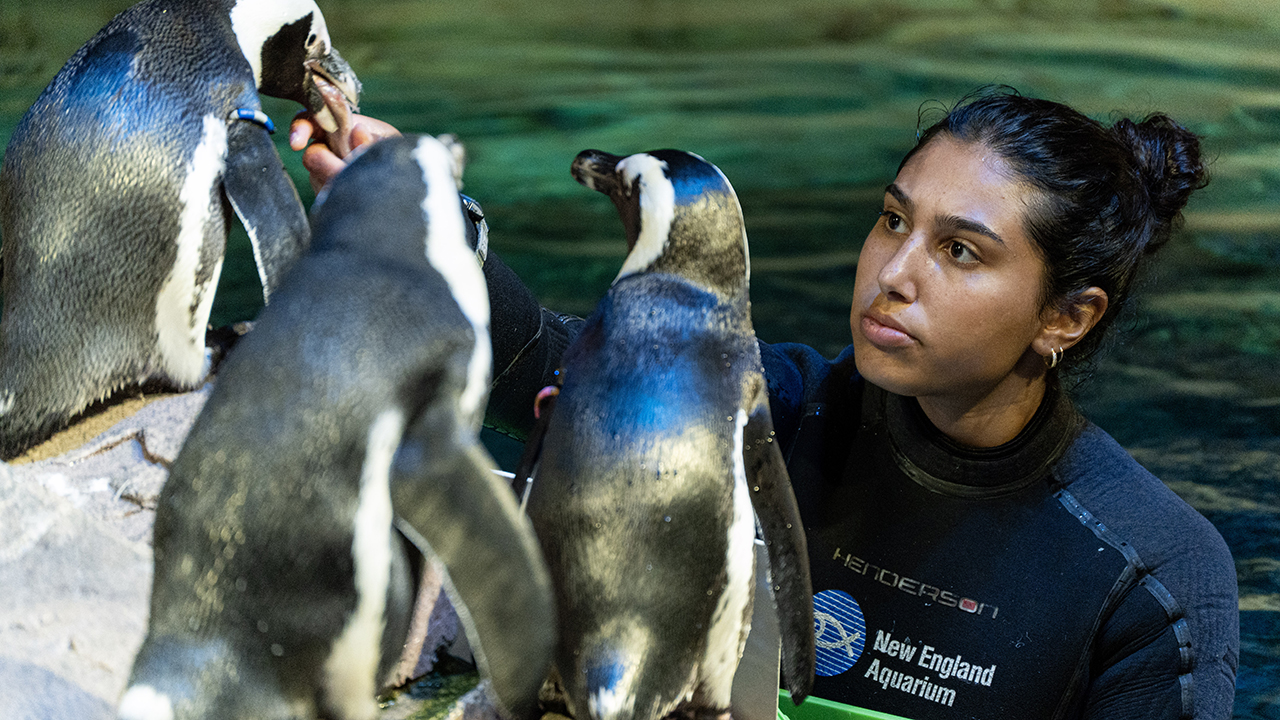
A Look at the Work New England Aquarium Volunteers Do
There are more than 700 volunteers and interns who donate their time to the New England Aquarium, d...
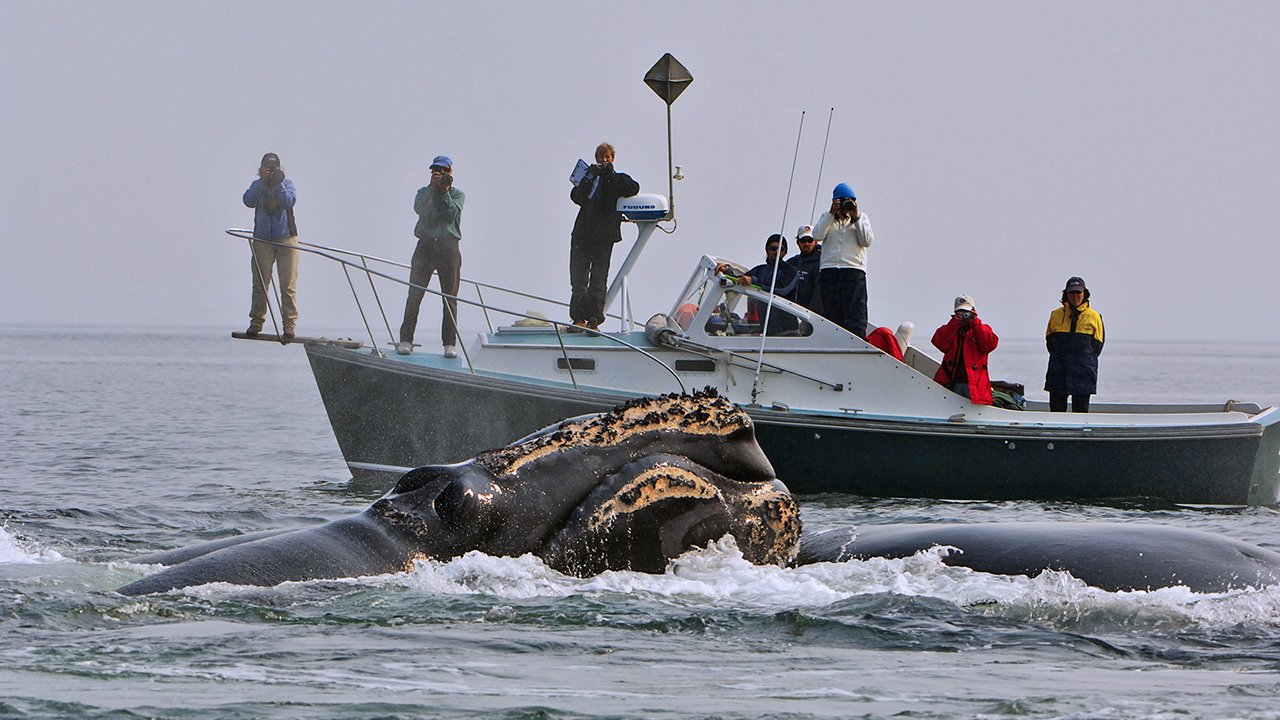
All About North Atlantic Right Whale Research at the New England Aquarium
Our work today
Our right whale research program, established in 1980, is one of the longest-runnin...
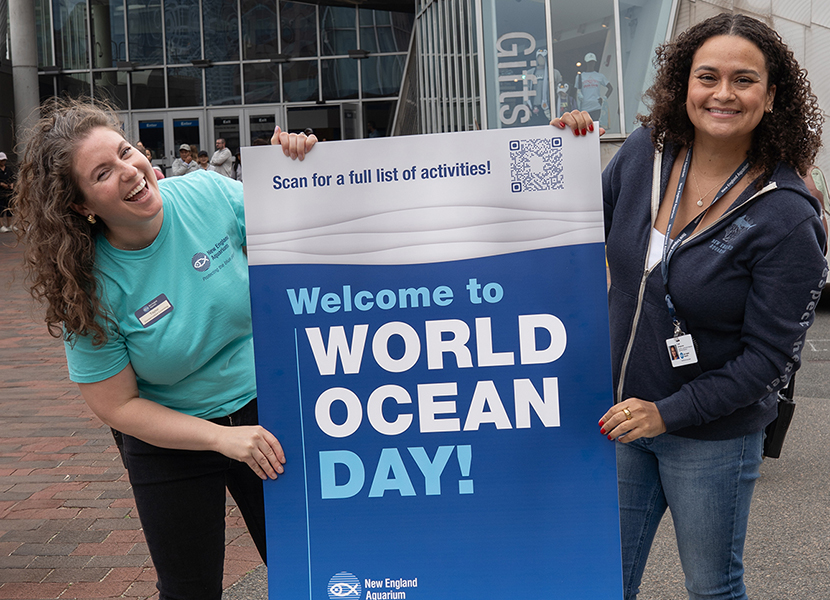
Join the New England Aquarium for World Ocean Day 2026
Free Programming
Central Wharf Plaza
Artists for HumanityJoin local youth artists to help complete ...
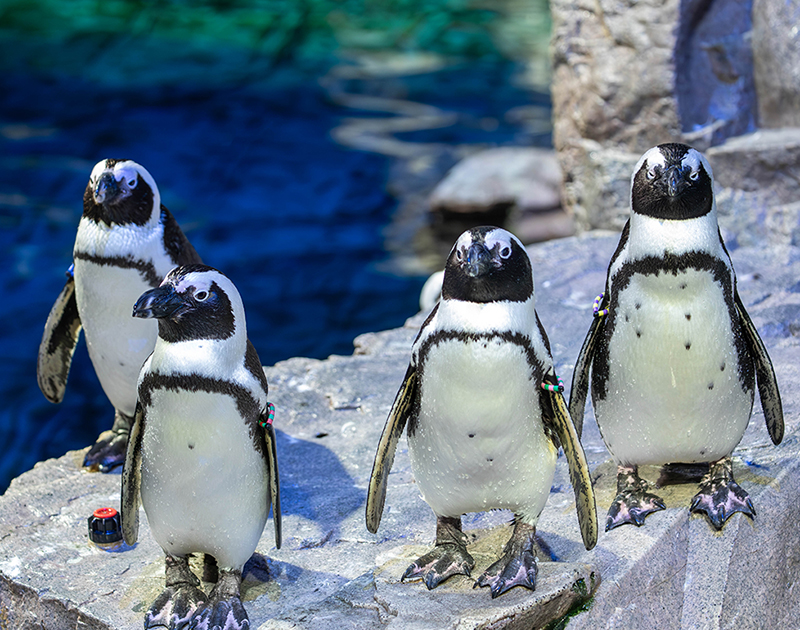
Endangered Species You’ll See at the New England Aquarium
Blanding’s turtle
Blanding’s turtles are a freshwater species local to New England, and one of the ...
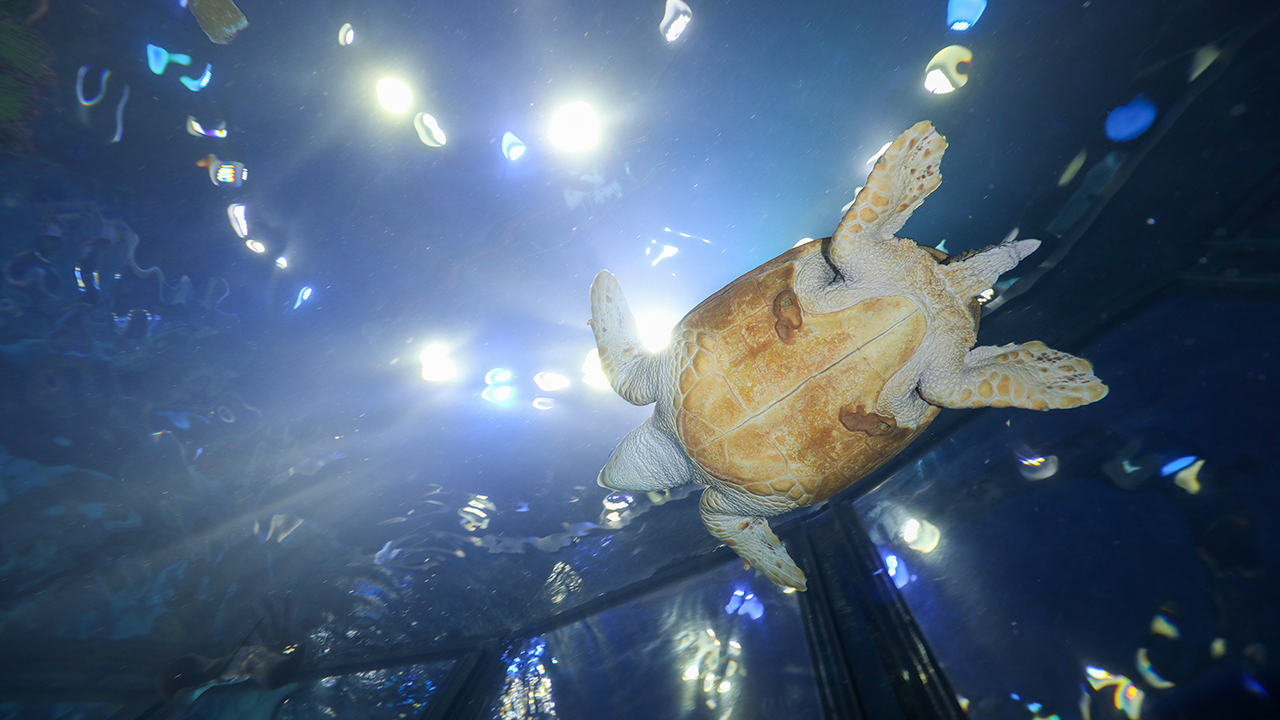
Lights, Plants—Habitat! – New England Aquarium
Live plants
In our Amazon Rainforest exhibits, live plants make up much of the animals’ environment...
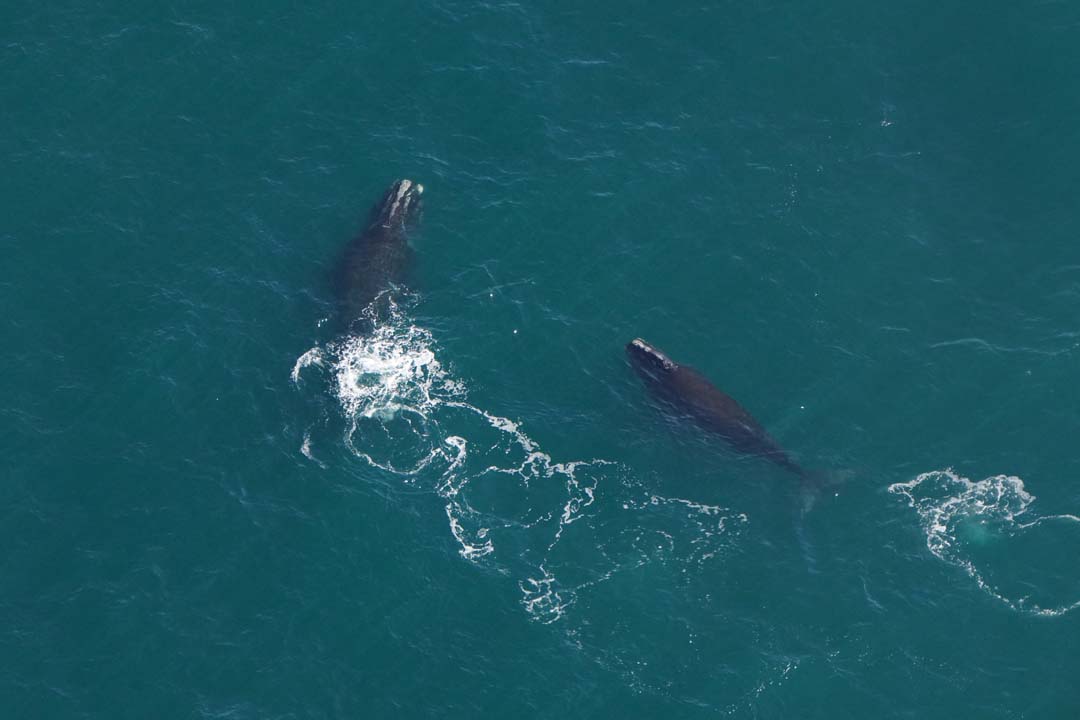
Winter Aerial Survey Sightings – New England Aquarium
70+ sightings in one day
On March 2, the team spotted around 70 right whales near Nantucket Shoals,...


